31 May 2026
Weather Shifts and Packed Schedules: Decoding Odds Boost Tactics at Britain's Regional Betting Firms
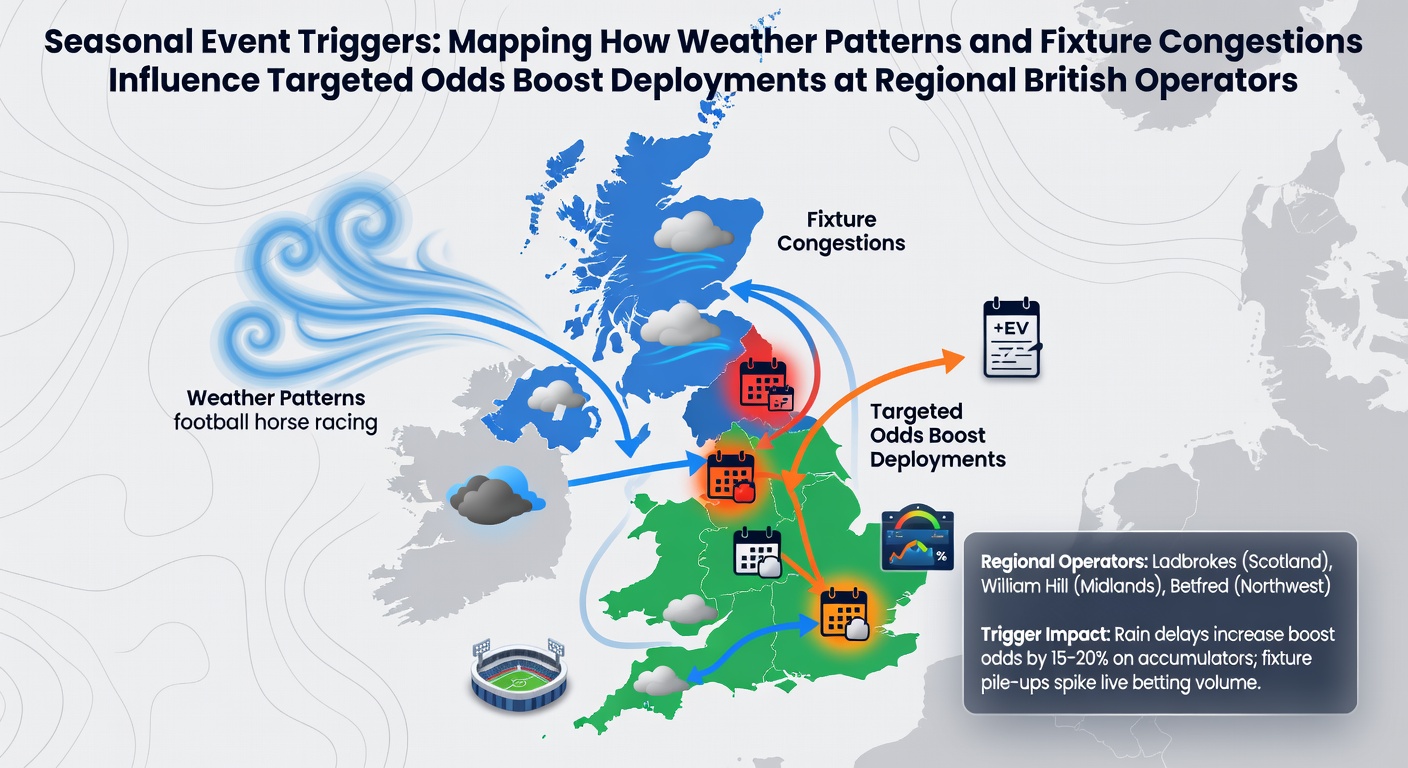
Regional British operators track seasonal patterns closely because weather events and fixture pile-ups create measurable shifts in betting volumes across football, horse racing, and other sports. Data from industry reports shows that heavy rainfall often correlates with adjusted lines on total goals while dense match schedules prompt targeted promotions on specific player props or match outcomes. These operators maintain smaller teams than national chains yet they deploy odds boosts with precision drawn from historical datasets that link precipitation levels to goal tallies and fixture density to injury rates.
Weather Patterns Shape Market Movements
Forecasters release updates that operators cross-reference with past results from leagues in northern England and Scotland where pitch conditions deteriorate faster during autumn and winter months. When temperatures drop below freezing combined with precipitation totals above 10 millimetres researchers have recorded a 12 to 18 percent rise in under-2.5 goals bets according to records compiled by regional firms. Operators respond by boosting odds on low-scoring outcomes during these windows while simultaneously monitoring wind speeds that affect long-range shots in rugby and football matches played at exposed grounds.
Coastal locations experience additional variables because salt air and gusts alter ball flight paths in ways that inland venues rarely see. One study published through the World Meteorological Organization highlights how regional microclimates produce distinct statistical signatures in match data. Operators in those areas maintain separate risk models that trigger automated boost offers once forecast thresholds are crossed.
Fixture Congestion Creates Targeted Opportunities
League calendars produce clusters of midweek fixtures that follow international breaks or cup replays and these periods coincide with elevated player workload metrics tracked by performance analysts. Regional operators note that teams playing three matches inside eight days show measurable declines in expected goals created and they deploy odds boosts on opponent win markets during such stretches. The pattern appears most consistently in the Championship and League One where squad depths vary widely between clubs.
Operators also examine travel distances because congested schedules often force longer coach journeys across Britain that compound fatigue. Data compiled by European sports federations indicates that teams covering more than 800 kilometres between matches post lower away win percentages and regional bookmakers adjust their boost calendars accordingly to capture interest from supporters following those sides.
Regional Operators Coordinate Deployments
Smaller firms in the Midlands and North West maintain direct relationships with local weather stations that provide granular forecasts not always available through national services. These partnerships allow them to schedule boosts 48 to 72 hours ahead of confirmed conditions rather than reacting after markets move. During May 2026 several operators plan to align promotions with the final weeks of the season when fixture congestion peaks alongside variable spring weather that can include sudden temperature swings and late frosts.
Staff at these firms review historical payout ratios from similar calendar windows and they limit boost quantities to specific customer segments identified through past engagement data. This approach keeps promotional costs predictable while still delivering value that differentiates regional platforms from larger competitors operating nationwide.
Integration of Multiple Data Streams
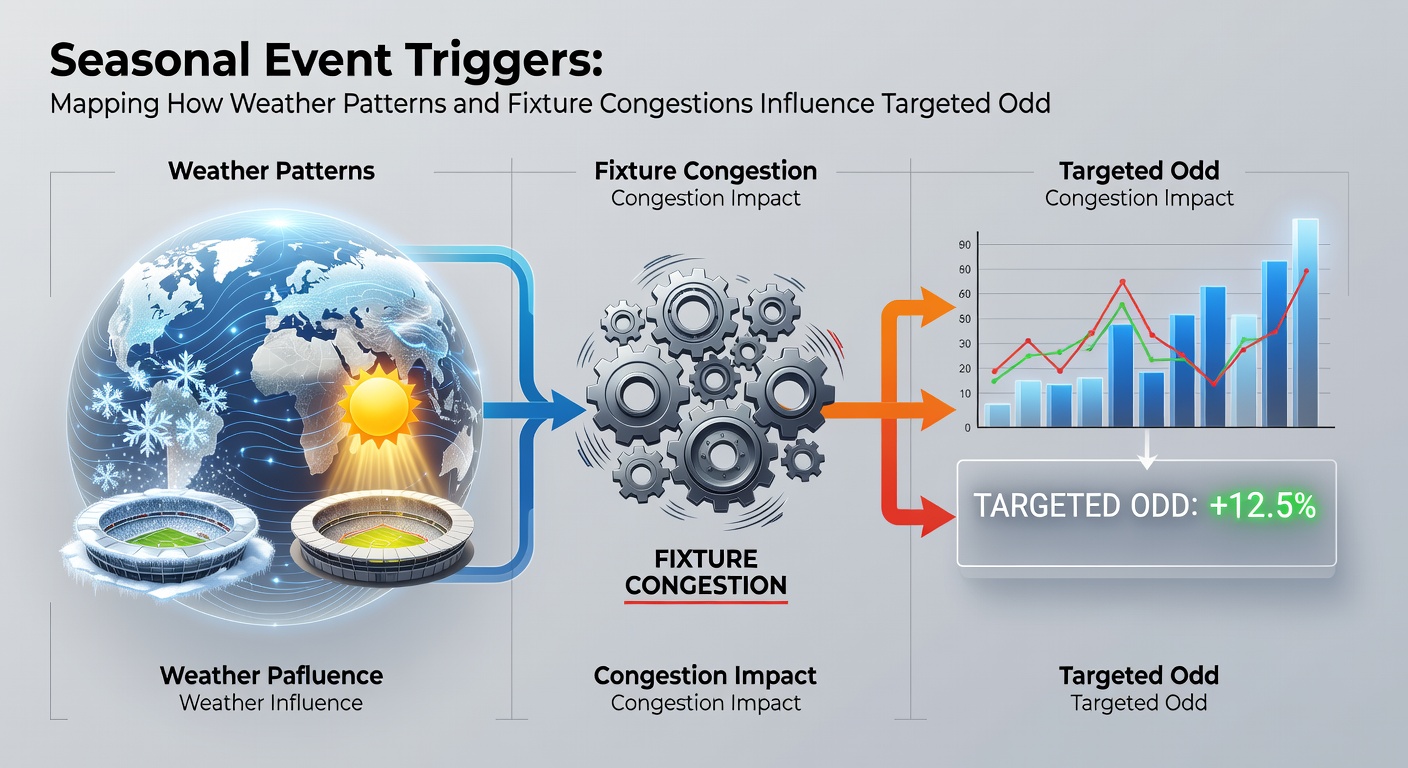
Modern deployment systems combine meteorological inputs with fixture databases and live odds feeds into single dashboards that alert marketing teams when thresholds align. For example a forecast of sustained rain above 15 millimetres paired with three teams in a regional derby playing their fourth match in 12 days can trigger simultaneous boosts on under goals and away win markets. Observers note that operators who integrate these streams report higher conversion rates on boosted selections compared with generic promotions issued without seasonal context.
Training programmes at regional firms now include modules on reading ensemble forecast models and understanding fixture density indices so that staff can interpret signals without relying solely on external consultants. This internal capability allows faster response times when unexpected weather developments occur close to kick-off.
Conclusion
Regional British operators continue refining their use of weather and fixture data to time odds boosts because these factors produce repeatable patterns across multiple seasons. By combining local forecasts with detailed schedule analysis they create promotions that align with actual market conditions rather than generic calendars. The approach supports sustainable promotional activity even as broader industry changes unfold through 2026 and beyond.