12 Jun 2026
Progressive Cashback Structures Driving Repeat Engagement Patterns Across Britain's Licensed Betting Operators
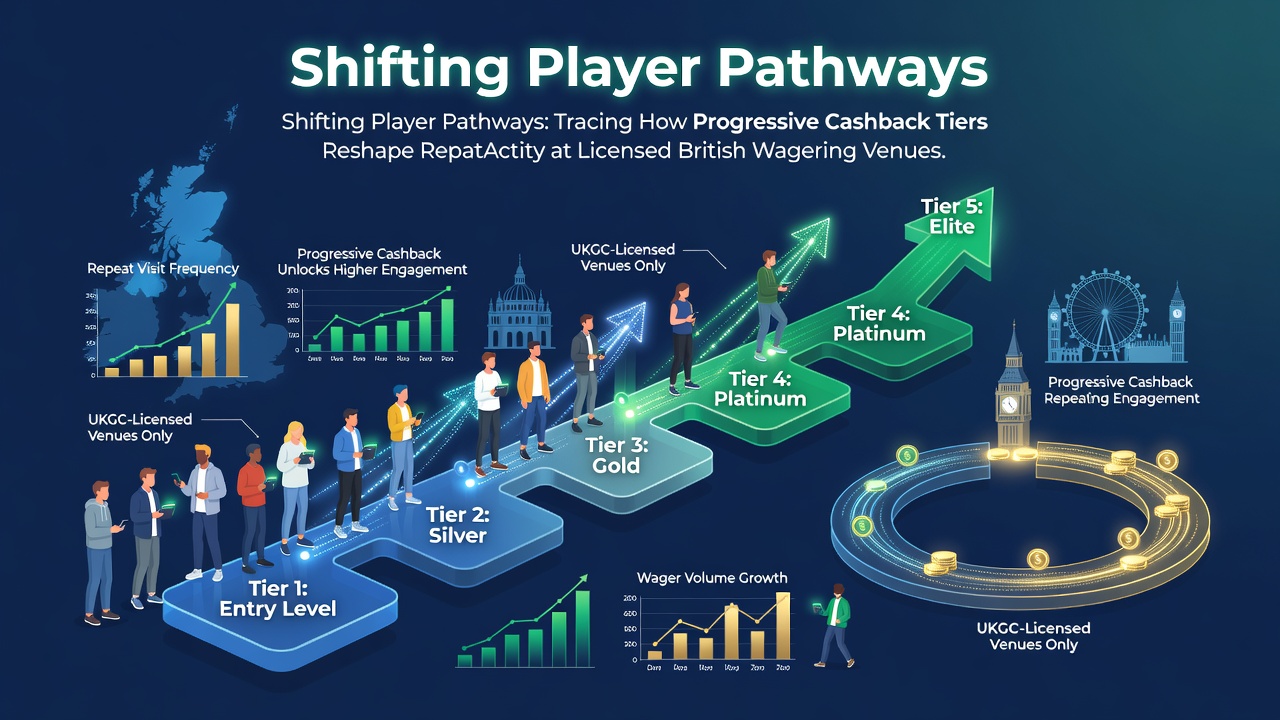
Progressive cashback systems have become a central feature in how licensed British wagering venues structure rewards for ongoing participation, with operators implementing tiered percentages that increase as players accumulate activity over defined periods. These mechanisms track betting volume and losses through automated systems, automatically elevating users into higher reward brackets that deliver larger cashback portions on net losses. Data from multiple operators indicates that participants reaching mid-tier status often extend their session lengths and frequency compared to those remaining at entry levels.
How Tier Mechanics Operate in Practice
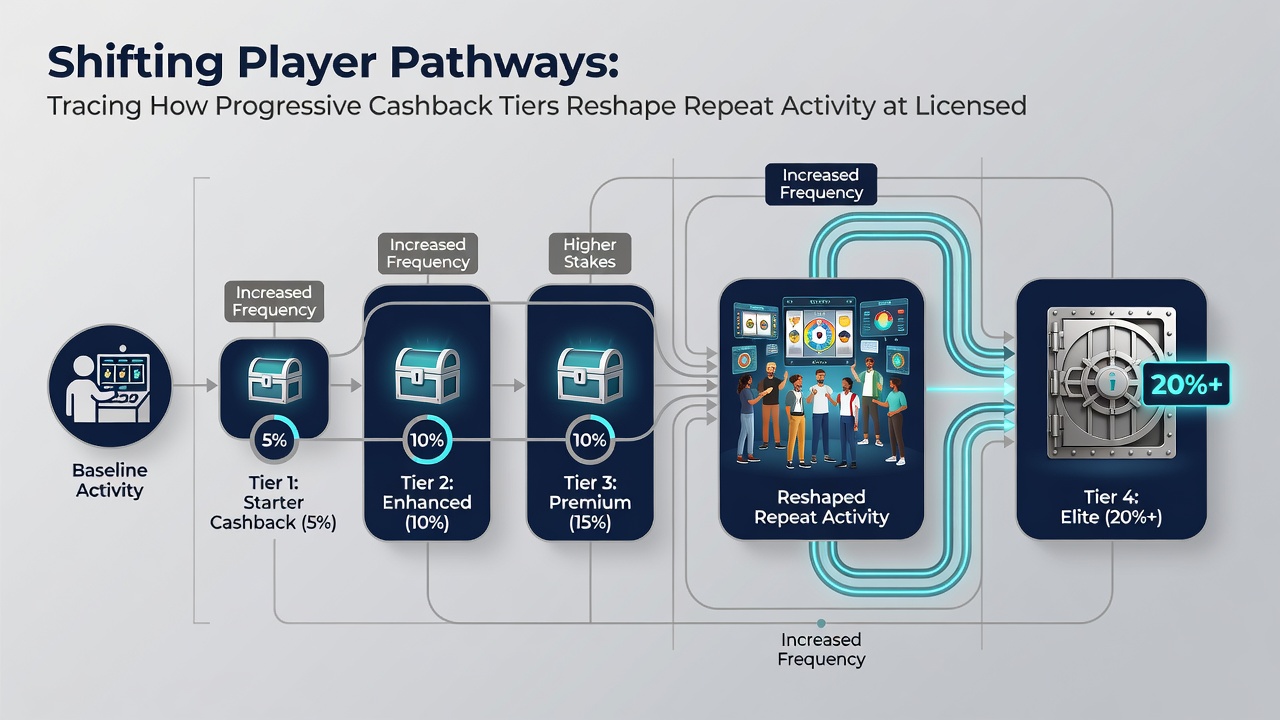
Entry-level tiers typically begin with modest cashback rates around 5 percent, calculated weekly or monthly on qualifying losses, while advanced brackets climb to 15 percent or higher once players surpass set thresholds in wagers placed. Operators adjust these thresholds seasonally, incorporating factors such as deposit consistency and game variety to encourage broader platform usage. Players who maintain steady activity through spring months frequently qualify for upgrades by early summer, creating pathways where initial modest engagement leads to sustained involvement through incremental reward improvements.
Systems often reset or recalibrate at the start of new promotional cycles, prompting users to rebuild progress toward elevated tiers. This structure aligns with broader loyalty frameworks that reward volume without requiring fixed deposit amounts, allowing flexibility for different betting styles across sports and casino products.
Observed Shifts in Repeat Activity Levels
Analysis of operator records reveals measurable changes in player return rates once cashback tiers advance, with repeat visits increasing notably among those crossing into higher brackets during the first half of 2026. Venues report that participants in progressive programs demonstrate longer intervals between account inactivity compared to non-tiered users, particularly when cashback credits are issued promptly after calculation periods conclude. One study tracking behavior across several sites found that mid-tier users placed bets on more days per month on average, while top-tier accounts showed elevated total stake values over equivalent timeframes.
Patterns Emerging in Mid-2026 Data
Figures compiled through June 2026 highlight how these tiers influence timing of returns, with many players scheduling additional sessions immediately following cashback disbursements to capitalize on boosted balances. Licensed venues note that such patterns hold across both sports betting and casino verticals, although sports-focused accounts tend to accelerate activity around major events while casino users spread engagement more evenly. External observations from the Responsible Gambling Council in Canada suggest similar loyalty structures produce comparable retention effects in regulated markets elsewhere.
Those monitoring platform metrics describe how lower-tier players sometimes accelerate volume to unlock upgrades, creating clusters of heightened activity near qualification deadlines. This dynamic produces visible spikes in aggregate wagering during transition windows, followed by steadier patterns once new tiers stabilize.
Comparative Effects Across Player Segments
Segmented data shows that casual participants experience the most pronounced extension in activity duration after tier advancement, whereas high-volume users maintain consistent patterns with smaller relative gains. Operators segment these groups through internal analytics, adjusting communication about upcoming thresholds to different cohorts accordingly. Research compiled by the Australian Gambling Research Centre indicates that tiered cashback models correlate with increased session frequency in comparable regulatory settings, particularly when rewards scale progressively rather than remaining flat.
Venues also track cross-product movement, noting that players reaching advanced tiers often diversify into additional game types to sustain qualification momentum. This redistribution appears most evident in accounts that combine sports and slots activity within single monthly cycles.
Conclusion
Progressive cashback tiers continue to influence how repeat activity unfolds at licensed British wagering venues by linking reward scale directly to sustained participation metrics. Records through mid-2026 demonstrate consistent associations between tier progression and extended engagement intervals across player groups, with automated tracking enabling precise calibration of these effects. External analyses from international bodies reinforce that similar structures generate measurable retention shifts in regulated environments, underscoring the operational role these systems play in shaping ongoing platform use.