7 Jun 2026
Payment Method Variations Shape Welcome Offers at Britain's Licensed Betting Operators
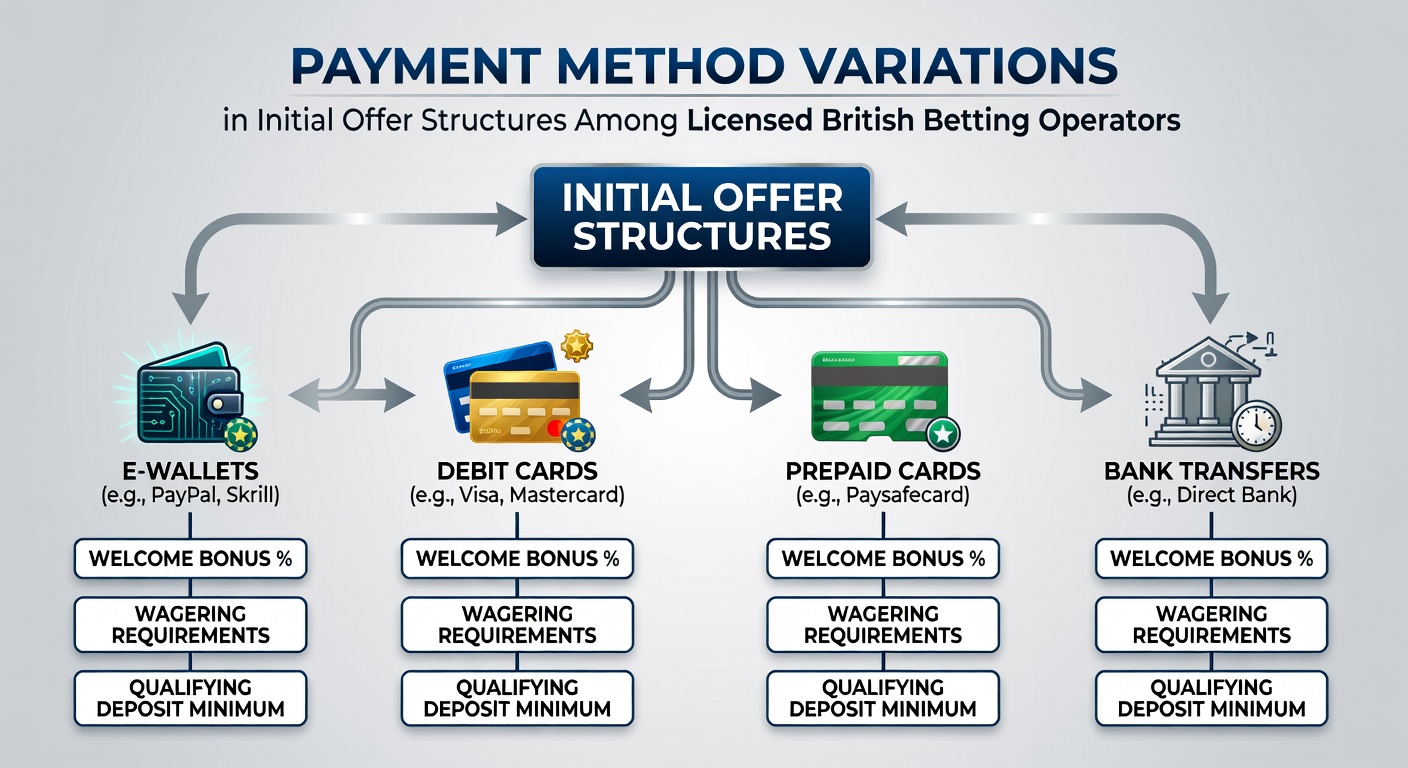
Payment methods play a central role in how licensed operators structure their opening promotions across the British market, and observers note that these choices often determine eligibility rules, bonus values, and release conditions. Data from industry analyses shows that operators adjust offer parameters based on whether customers select debit cards, e-wallets, or bank transfers, creating distinct pathways that affect how quickly funds become available for wagering.
Core Payment Categories in Licensed Operations
Debit cards remain the most widely accepted option, yet e-wallet services such as PayPal and Skrill frequently carry separate terms that operators apply from the first deposit onward. Bank transfers, although slower in processing, appear in structures where operators extend higher matching percentages to offset longer clearance times, while prepaid vouchers occupy a narrower segment reserved for smaller, one-time transactions. Research indicates these distinctions arise because each method carries different verification speeds and fee profiles that operators must balance against licensing requirements.
How Offer Structures Diverge by Deposit Type
Operators typically tie bonus percentages and maximum amounts to the chosen payment channel, and figures reveal that e-wallet deposits often unlock instant credit while debit card transactions trigger staged releases tied to identity checks. One analysis of operator promotions found that customers using certain digital wallets receive smaller minimum deposit thresholds compared with those selecting traditional cards, reflecting the reduced processing costs associated with electronic transfers. In contrast, bank wire options sometimes pair with extended validity periods for bonus funds, allowing more time before wagering requirements must be met.
What's interesting is the way operators layer additional conditions onto specific methods, such as restricting free bet conversions when deposits arrive via certain prepaid solutions. Studies from academic research groups show that these layered rules help operators manage risk exposure while still meeting the expectations of customers who prefer particular funding routes.
Observed Patterns Across Operator Portfolios
Take the case of major high-street brands that migrated online, where data shows debit card deposits dominate initial offer uptake yet e-wallet alternatives receive targeted uplift campaigns during major sporting calendars. Industry reports compiled by research institutions outside the UK highlight similar segmentation in other regulated markets, suggesting the pattern reflects broader commercial strategies rather than isolated practices. Observers note that these variations allow operators to segment audiences according to preferred transaction speeds and privacy preferences.
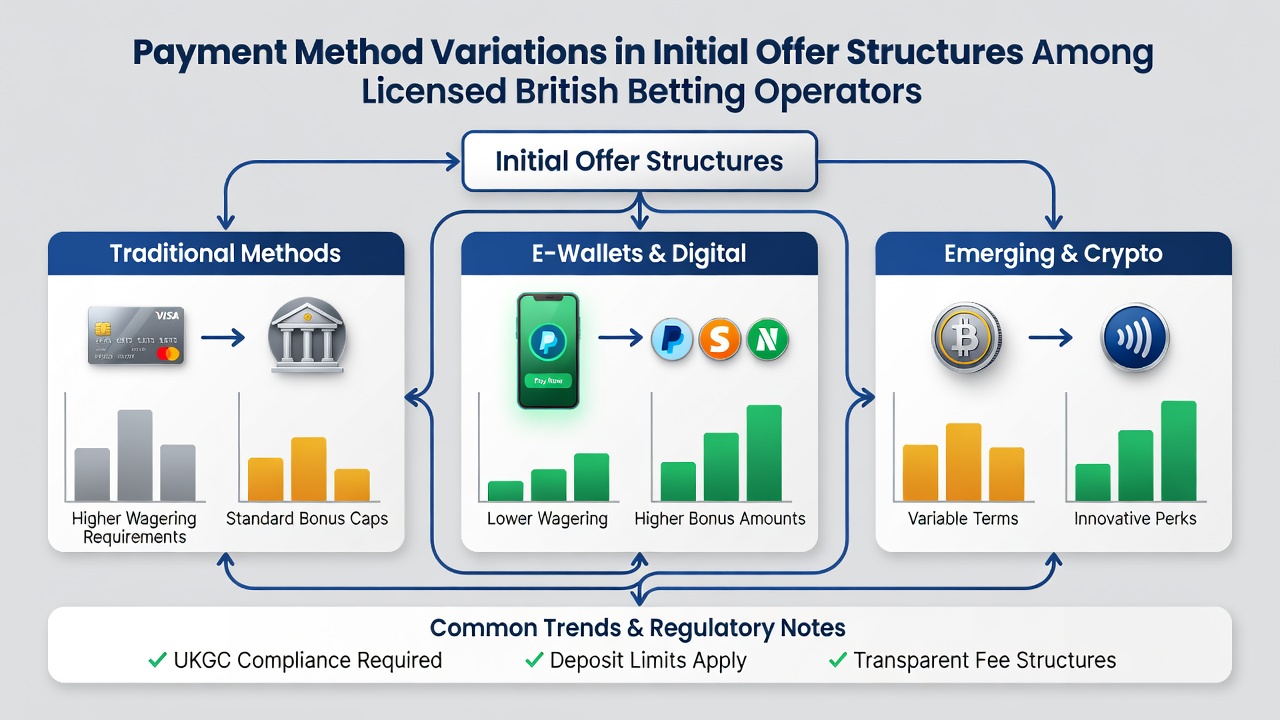
June 2026 brought renewed attention to seasonal campaigns where operators adjusted payment-linked offers ahead of major summer fixtures, and records indicate that several firms introduced temporary waivers on minimum deposit amounts for e-wallet users during this period. Those adjustments aligned with broader efforts to accommodate shifting customer habits while maintaining compliance with existing licensing frameworks.
Regulatory Influences on Method-Specific Terms
Licensing conditions require operators to publish clear terms for each payment route, and evidence from multiple jurisdictions demonstrates that transparent disclosure reduces disputes over bonus eligibility. A study published by the Australian Gambling Research Centre examined comparable structures in other regions and found that operators who differentiate offers by payment method tend to experience fewer customer complaints when terms are displayed prominently at the point of deposit. Canadian regulatory summaries echo these findings, noting that clear method-based rules support responsible gambling objectives without restricting access.
Customer Selection and Long-Term Effects
People who regularly compare payment options before claiming an initial offer often discover that the choice influences not only the immediate bonus but also subsequent reload promotions. Operators track these patterns through aggregated transaction data, and reports indicate that customers who begin with e-wallets show higher retention rates in certain segments while debit card users generate larger average deposit volumes over time. These trends emerge because each method carries built-in friction points that operators factor into their ongoing retention strategies.
Conclusion
Payment method variations continue to define how initial offers function within Britain's licensed betting sector, creating a landscape where operators balance speed, cost, and compliance through differentiated structures. Data from international research sources confirms that these distinctions remain consistent across regulated environments, providing customers with multiple entry points while operators manage operational requirements. As transaction technologies evolve, further adjustments to these offer frameworks appear likely, shaped by both commercial priorities and licensing standards.