26 Jun 2026
Loyalty Programs Unpacked: Reload Incentives Sustaining Engagement for Seasoned UK Bettors
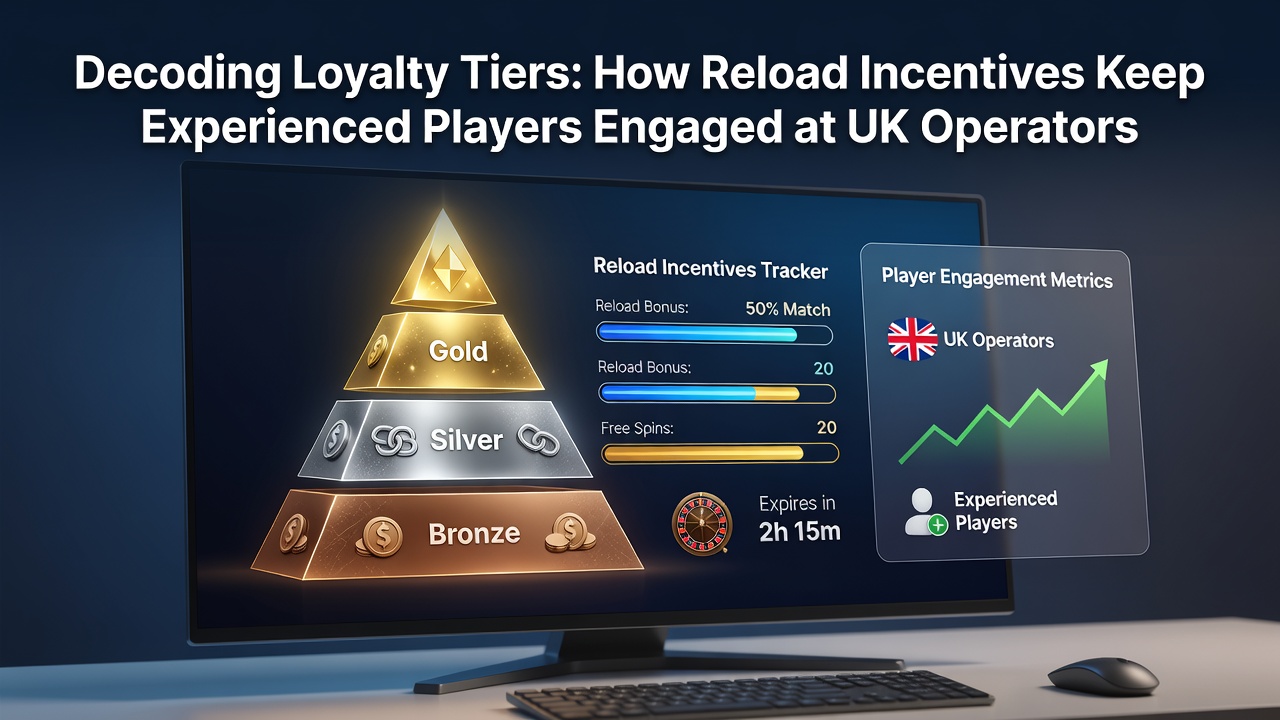
Operators across the UK have developed structured loyalty tiers that reward consistent activity through reload incentives, and these systems now form a core part of retention strategies for experienced players. Data from industry reports indicate that such programmes deliver targeted offers like deposit matches, cashback percentages, and enhanced odds to users who reach specific activity thresholds, with tiers typically progressing from bronze through silver, gold, and platinum levels based on wagering volume and frequency.
Reload incentives differ from initial welcome packages because they activate repeatedly after the first deposit cycle, and they scale according to a player's tier status. Research from the Responsible Gambling Council shows that loyalty mechanisms of this type maintain participation rates by aligning rewards with individual betting patterns rather than offering uniform promotions to all users.
How Tier Structures Operate in Practice
Each tier carries distinct requirements and benefits, with entry into higher levels usually determined by metrics such as total deposits, number of bets placed, or points accumulated through gameplay. Observers note that bronze tiers often provide modest reload matches of around 50 percent up to a set limit, while platinum members receive personalised offers that can include 100 percent matches plus additional free bets or loyalty points that convert into cash equivalents.
Points systems underpin most programmes, converting betting turnover into redeemable credits at rates that improve with tier progression. A player in the gold tier might earn points at double the bronze rate, and those points unlock reload incentives automatically when certain monthly targets are met. This structure encourages sustained activity because the value of rewards increases alongside demonstrated commitment.
Seasonal adjustments appear regularly, and June 2026 has seen operators align reload campaigns with major summer sporting calendars, including international football tournaments and tennis grand slams. These timed incentives typically feature boosted cashback rates for players who maintain activity through quieter periods between major events.
Player Segmentation and Reward Delivery
Operators segment users according to lifetime value and behavioural data, then route reload offers through email, app notifications, and account dashboards. Studies from the University of Sydney's Gambling Treatment and Research Clinic reveal that segmented delivery improves uptake compared with blanket promotions, because the incentives reflect the player's preferred bet types and stake levels.
High-tier players often receive invitations to exclusive reload events, such as double-points weekends or tier-specific deposit bonuses that activate only after a qualifying wager. These events create additional engagement loops because eligibility depends on continued play within defined windows, and participants who miss one round can still qualify for the next cycle by meeting adjusted criteria.

Case examples from multiple platforms illustrate how reload incentives function at scale. One operator introduced a tiered cashback system in early 2025 that returned between 5 and 15 percent of net losses depending on status, and subsequent internal metrics showed a measurable increase in monthly active users within the top two tiers. Another platform ties reload matches to accumulator bets, offering extra percentages when players include selections from specific leagues or events.
Regulatory Context and Compliance Measures
UK operators must ensure that loyalty communications remain proportionate and do not encourage excessive play, and they publish clear terms for each tier's entry requirements and benefit calculations. External audits verify that reward values correspond accurately to the stated percentages and that players receive the incentives they qualify for without hidden restrictions.
Industry associations in other jurisdictions, such as the Canadian Gaming Association, have published guidelines on loyalty programme transparency that UK operators reference when refining their own systems. These guidelines emphasise clear communication of wagering requirements attached to reload bonuses and the timeframe within which rewards must be used.
Technical integration plays a significant role, with operators linking loyalty platforms directly to core betting engines so that tier status updates in real time. This linkage allows instant recognition of qualifying deposits and automatic application of reload incentives at the point of transaction, reducing friction for the player and administrative overhead for the operator.
Impact on Long-Term Retention Metrics
Retention data compiled by research bodies indicate that players enrolled in tiered loyalty programmes demonstrate longer average account lifespans than those outside such structures. The difference appears most pronounced among users who reach mid-tier status, where the incremental value of reload offers becomes noticeable enough to influence decisions about platform switching.
Operators track metrics including deposit frequency, average stake size, and session duration to evaluate programme effectiveness, and they adjust tier thresholds periodically to maintain balance between reward generosity and commercial sustainability. Adjustments in 2026 have included raising the points needed for platinum entry while simultaneously increasing the cashback ceiling available at that level.
Cross-platform comparisons show variation in how reload incentives are weighted, with some operators prioritising deposit matches and others emphasising risk-free bets or enhanced odds. This diversity allows experienced players to select programmes that align with their preferred betting styles, whether they focus on high-volume small stakes or occasional larger wagers.
Conclusion
Loyalty tiers combined with reload incentives have become standard tools for maintaining engagement among experienced UK bettors, and the systems continue to evolve in response to regulatory expectations and player behaviour patterns. Data from multiple sources confirm that structured rewards delivered through progressive tiers produce measurable effects on retention, while compliance frameworks ensure these mechanisms operate within established boundaries. As operators refine segmentation and delivery methods, the core principle remains consistent: rewards scale with demonstrated activity, creating ongoing incentives for continued participation across different betting verticals and seasonal cycles.