10 Jul 2026
Loyalty Loops and Player Retention: The Hidden Architecture of UK Reload Offers

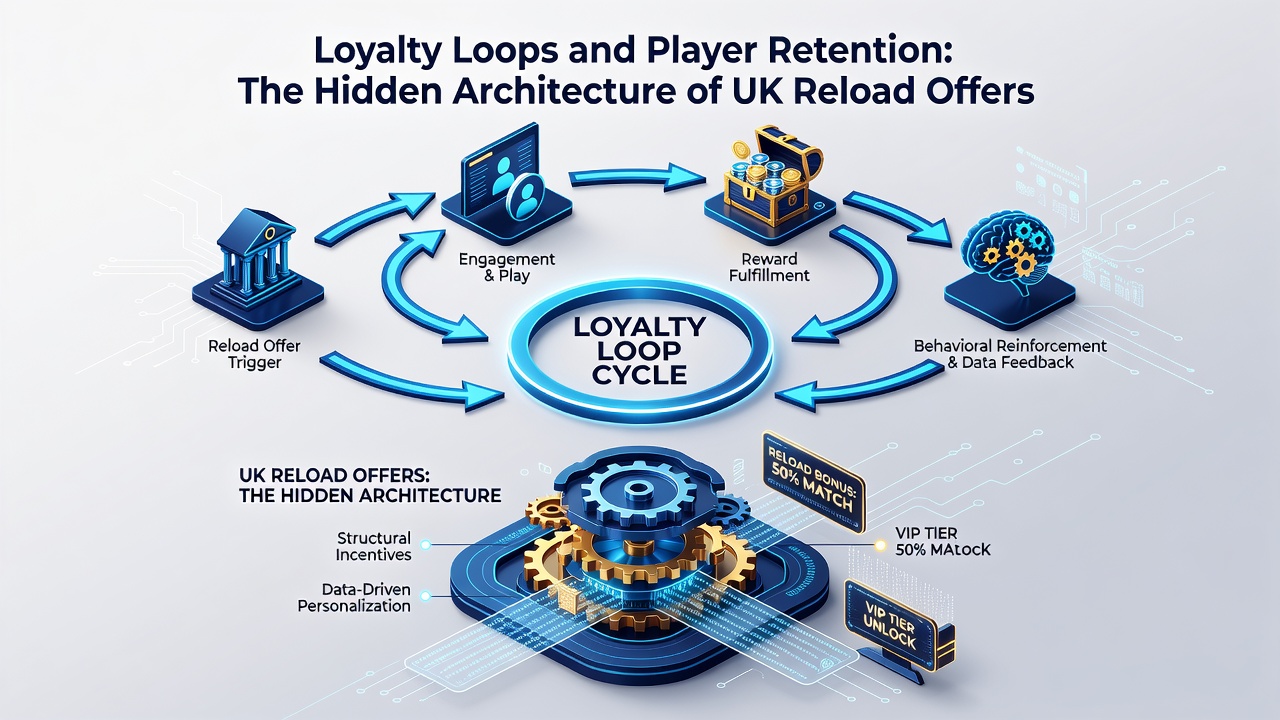
Operators across Britain have refined reload offers into structured systems that encourage repeated engagement, and these mechanisms form what analysts describe as loyalty loops where initial deposits trigger sequences of rewards that prompt further activity. Research from the European Gaming and Betting Association highlights how such programs integrate deposit matches, cashback tiers, and free bet credits into cycles that align with player behavior patterns observed throughout 2025 and into July 2026.
Core Components of Reload Structures
Reload offers typically activate after a player's first welcome package expires, and they operate through scheduled promotions that reward consistent funding of accounts. Data from industry reports shows these incentives often include percentage-based matches on deposits made midweek or on specific days, while additional layers provide enhanced returns for players who maintain activity thresholds. Those thresholds might involve minimum stake volumes or frequency requirements that reset weekly, creating predictable touchpoints between the operator and the account holder.
Payment method bonuses represent another layer where certain deposit channels unlock extra value, and this approach allows operators to manage processing costs while steering traffic toward preferred options. Observers note that in July 2026 several platforms adjusted these incentives to coincide with major football transfers and cricket series, demonstrating how external calendars influence the timing and scale of reload campaigns.
Mechanics Behind Retention Cycles
Loyalty loops emerge when reload benefits connect directly to account milestones such as consecutive deposit days or cumulative spend levels. A player who receives a 50 percent match on a Monday deposit might then qualify for cashback on losses incurred during that same week, and this sequence reduces the perceived risk of continued play. Studies conducted by the Australian Institute of Criminology indicate that structured reward pathways of this kind correlate with extended session lengths across regulated markets, although the precise impact varies by demographic segment.
Personalization Through Data
Modern platforms employ player data to tailor reload offers, matching bonus types to individual betting histories rather than applying uniform promotions. Someone who frequently wagers on tennis might receive targeted free bets for upcoming tournaments, while a football enthusiast sees deposit matches timed around weekend fixtures. This customization relies on algorithms that track preferences and spending rhythms, allowing operators to deliver incentives that feel relevant and timely.
Integration With Broader Loyalty Programs
Reload offers rarely stand alone; instead they feed into tiered loyalty schemes where accumulated points unlock higher reward brackets. Players who progress through bronze, silver, and gold levels gain access to enhanced reload percentages or exclusive cashback rates, and these progressions create visible goals that sustain engagement over months. Reports compiled by the Canadian Centre on Substance Use and Addiction reveal that multi-tier systems increase the average duration of player accounts in comparable jurisdictions, because each new tier resets the incentive structure and restarts the loop.
Seasonal adjustments further modulate these programs, with operators introducing summer-specific reload packages that align with tennis majors or golf majors. In July 2026 several firms expanded their reload calendars to cover the transition between domestic football seasons and international tournaments, ensuring continuous reward availability during traditionally quieter periods.
Regulatory Context and Compliance Measures
UK operators must balance aggressive retention tactics with requirements set by licensing authorities, and this includes clear advertising standards plus responsible gambling prompts attached to every reload promotion. Compliance teams review offer terms to confirm that wagering requirements remain transparent, while automated systems flag accounts showing signs of elevated risk. External audits from bodies such as the European Gaming and Betting Association help verify that reload mechanics do not inadvertently encourage excessive play.
Operators also publish contribution rates for different game types toward bonus clearing, ensuring players understand how slots, table games, and sports bets factor into the equation. These disclosures form part of the visible architecture that keeps loyalty loops functioning within established boundaries.
Measurement of Effectiveness
Key performance indicators for reload programs include repeat deposit frequency, average revenue per user, and churn rates measured at thirty and ninety day intervals. Platforms that refine their reload timing based on these metrics often report steadier revenue streams compared with those relying solely on welcome bonuses. Figures released through academic partnerships at the University of Nevada, Reno, suggest that well-calibrated reload sequences can reduce player attrition by noticeable margins when combined with responsible play tools.
Conclusion
The architecture supporting UK reload offers continues to evolve through data-driven adjustments and regulatory oversight, and the resulting loyalty loops represent a deliberate design choice rather than incidental features. As operators refine these systems through 2026 and beyond, the emphasis remains on creating sustainable engagement patterns that comply with licensing conditions while delivering measurable value to both parties involved.