24 Jul 2026
Inside Loyalty Tiers: How Progressive Reward Levels Shape Long-Term Engagement Patterns at Licensed British Bookies
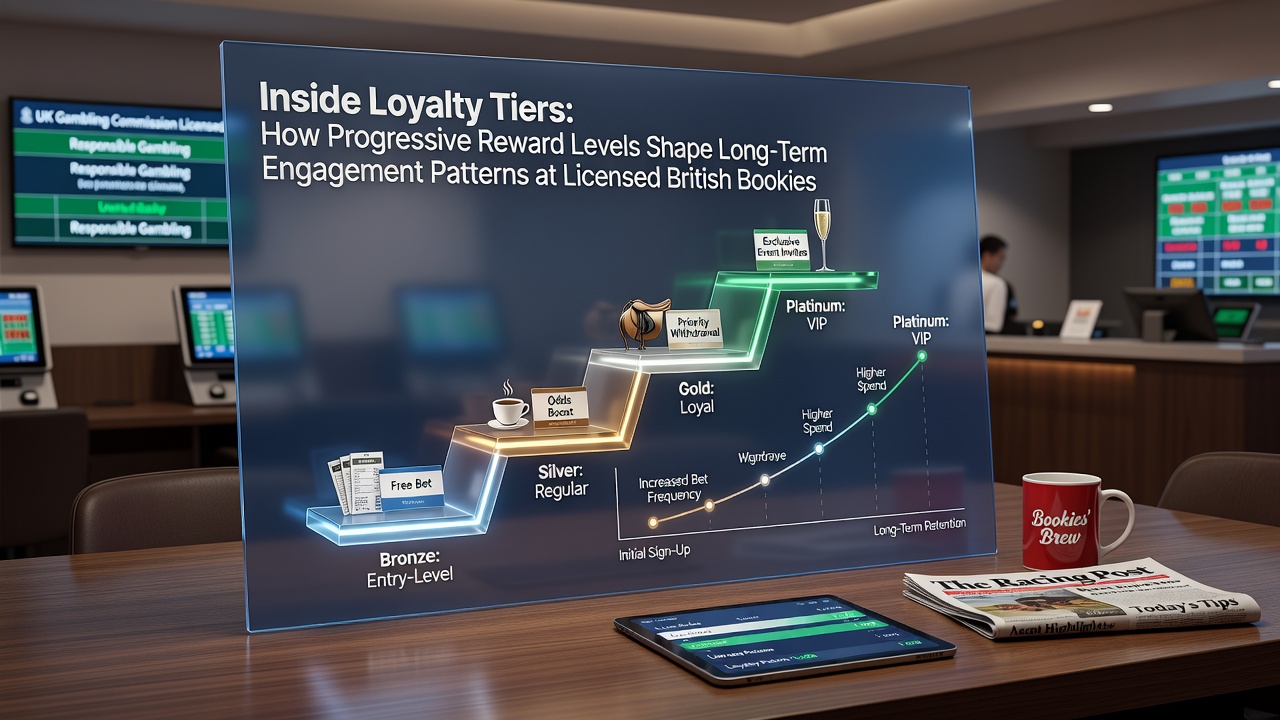
Progressive reward structures at licensed British bookies operate through tiered systems that accumulate points from betting activity and convert them into escalating benefits, and these frameworks influence how customers maintain consistent participation over extended periods. Operators segment users into levels such as bronze, silver, gold and platinum, with each stage unlocking cashback percentages, boosted odds and exclusive event access that scale according to cumulative stakes. Research from the European Gaming and Betting Association indicates that such tiered models correlate with measurable shifts in session frequency and deposit regularity across multiple markets.
Mechanics of Point Accumulation and Advancement
Customers earn points primarily through real-money wagers on sports markets or casino titles, while the rate of accrual often accelerates once a player crosses into higher bands; this creates a feedback loop where sustained volume directly unlocks greater returns. Advancement criteria typically combine total turnover with time-bound activity windows, so a user who places regular bets on football accumulators or horse racing might reach silver status within weeks yet require several months of elevated play to enter gold territory. Observers note that operators adjust point multipliers seasonally, and these adjustments frequently align with major tournaments to sustain momentum during quieter periods such as early July 2026.
Retention Effects Across Customer Segments
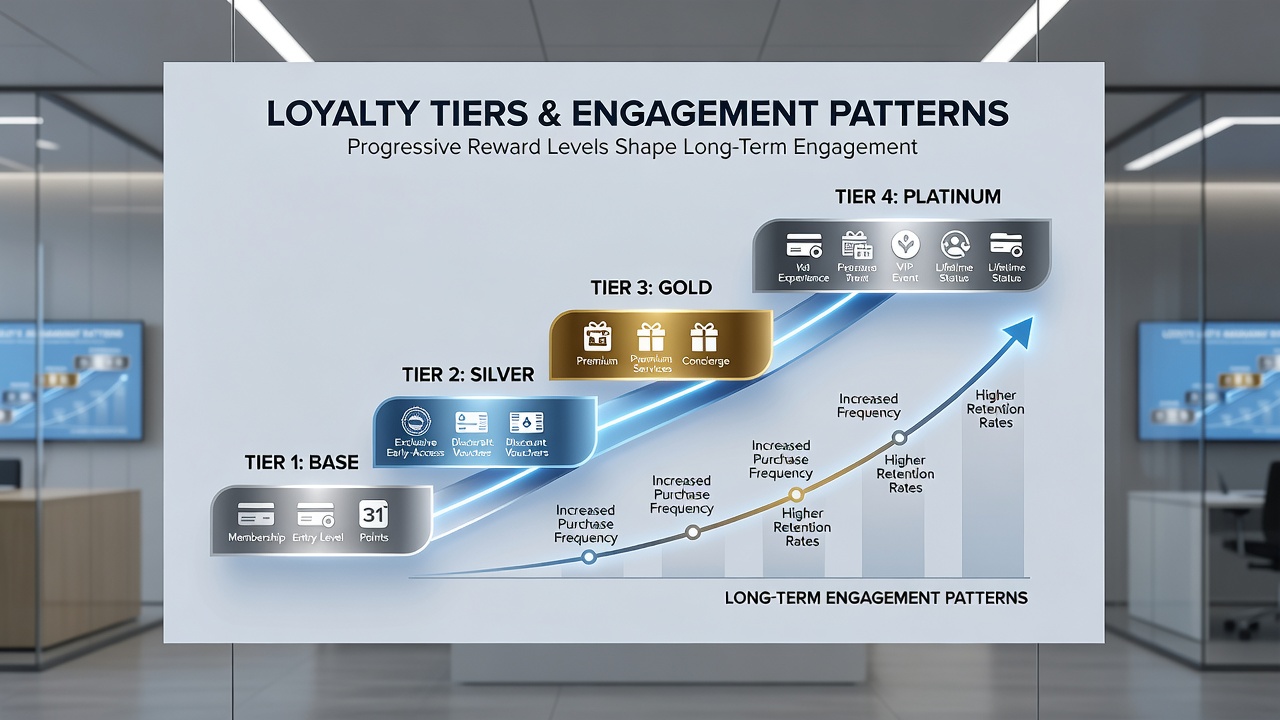
Data from industry analyses reveal that players who achieve at least silver status demonstrate longer account lifespans compared with those who remain at entry level, and the gap widens further at gold and platinum tiers where personalised account managers and faster withdrawal processing become available. Engagement patterns show increased bet frequency rather than larger individual stakes, because the structure rewards consistency through weekly or monthly challenges that reset point counters. One study of European operators found that tiered participants generated 28 percent more active days per quarter than non-tiered counterparts, although the precise uplift varied by product mix and promotional cadence.
Personalisation and Behavioural Triggers
Advanced tiers incorporate algorithmic tailoring that surfaces offers based on historical bet types, so a customer who favours tennis markets might receive targeted free bet tokens on Wimbledon or US Open events while another receives enhanced odds on Premier League fixtures. These customised incentives arrive via push notifications or in-app messages, and their timing often coincides with deposit patterns to encourage immediate re-engagement. Figures from academic reviews of loyalty programmes suggest that relevance of rewards increases the probability of repeat sessions, yet the same reviews highlight that overly frequent prompts can prompt temporary disengagement if users perceive pressure.
Comparative Approaches Among Major Operators
Licensed British bookies differentiate their tiers through varying emphasis on experiential perks versus monetary returns, with some prioritising stadium hospitality draws while others focus on higher cashback rates or insurance on losing bets. The distinction matters because customers who value recognition may migrate toward programmes that include physical events, whereas those seeking direct value remain with cash-focused structures. External benchmarking from the Australian Gambling Research Centre shows that hybrid models blending both elements tend to retain users across demographic groups more effectively than single-focus alternatives.
Regulatory Context and Transparency Requirements
Operators must publish clear rules for tier qualification and benefit redemption under licence conditions, and these disclosures appear in terms sections that detail expiry dates for points and any wagering requirements attached to tier rewards. Compliance teams monitor for patterns that might indicate problem play, and several firms now integrate responsible gambling prompts at tier advancement stages. Data released by the Responsible Gambling Council in Canada illustrates that transparent tier communications can reduce disputes and support healthier engagement boundaries when customers understand exact thresholds.
Future Developments in Tier Design
Technological upgrades continue to reshape how points convert into rewards, with blockchain pilots exploring verifiable transaction histories that could streamline cross-operator recognition. In July 2026 several firms are expected to trial dynamic tier resets that factor in both volume and margin contribution, thereby rewarding skill-based outcomes alongside sheer turnover. Industry observers anticipate that integration with open banking data will allow more precise risk segmentation, potentially leading to tier benefits that adjust in real time rather than through monthly reviews.
Conclusion
Loyalty tiers at licensed British bookies function as structured incentive systems that translate betting volume into graduated advantages, and available evidence links higher tier attainment with extended account activity and altered betting rhythms. The interplay between point mechanics, personalisation and regulatory oversight continues to evolve, while comparative insights from international sources underscore the importance of transparent design in sustaining long-term patterns. Operators that refine these frameworks in line with player behaviour data and external benchmarks position themselves to maintain engagement across diverse customer cohorts.