10 Jun 2026
Charting the Path from Welcome Bonuses to Sustained Engagement in UK Betting Markets
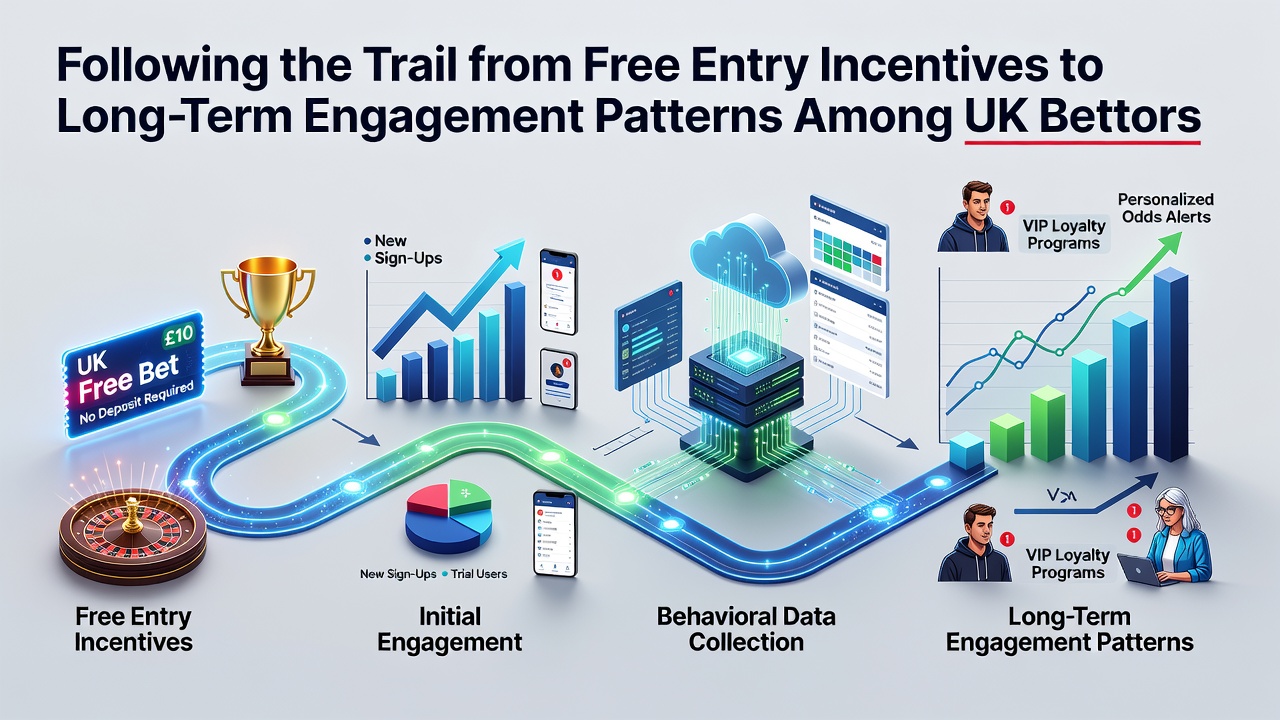
Free entry incentives serve as entry points for many new participants in Britain's betting sector, and tracking how these offers connect to longer-term activity reveals distinct patterns in user behavior. Data from industry reports shows that welcome bonuses, often structured as free bets or matched deposits, draw in first-time users during peak periods such as major sporting events, while follow-up metrics track retention rates over subsequent months. Observers note that operators collect detailed engagement data to refine these offers, focusing on conversion from one-time claims to repeated deposits and wagers.
Initial Incentive Structures and User Acquisition
Operators deploy free entry incentives through targeted promotions that require minimal upfront commitment, allowing new accounts to access betting opportunities without immediate financial outlay. These structures typically include terms such as minimum odds requirements and expiration windows, which guide how participants interact with the platform right from the start. Research indicates that a significant portion of acquired users begin with these no-risk entries, and the design of the incentive influences the speed at which they explore additional features like accumulators or in-play options. In June 2026, seasonal campaigns tied to summer football tournaments adn horse racing fixtures continued to highlight this acquisition method across multiple platforms.
Tracking the Shift Toward Repeated Activity
Patterns emerge once initial incentives expire, with analytics revealing how many users transition into regular bettors through subsequent promotions or loyalty schemes. Engagement data tracks metrics such as deposit frequency, average stake size, and session duration, showing correlations between the type of welcome offer received and the likelihood of sustained participation. Those who've examined account histories find that users who claim free bets often receive personalized follow-up offers, which operators adjust based on early behavior signals like bet type preferences. This progression creates loops where early positive experiences with incentives encourage further deposits, though exact conversion rates vary by operator and market segment.
Data Patterns Observed in Retention Studies
Analyses of user cohorts demonstrate that retention improves when incentives incorporate elements such as cashback on losses or enhanced odds on specific events. Figures reveal differences in long-term activity levels between users who started with deposit-free offers versus those who required an initial payment to unlock bonuses. External research from the Australian Institute of Family Studies on incentive-driven engagement provides comparative insights applicable to similar regulated markets, highlighting how structured rewards influence repeat visits. Another dataset from Canadian health authorities on digital wagering patterns shows parallel trends in how introductory offers affect monthly activity over a twelve-month window.
Factors Shaping Enduring Participation
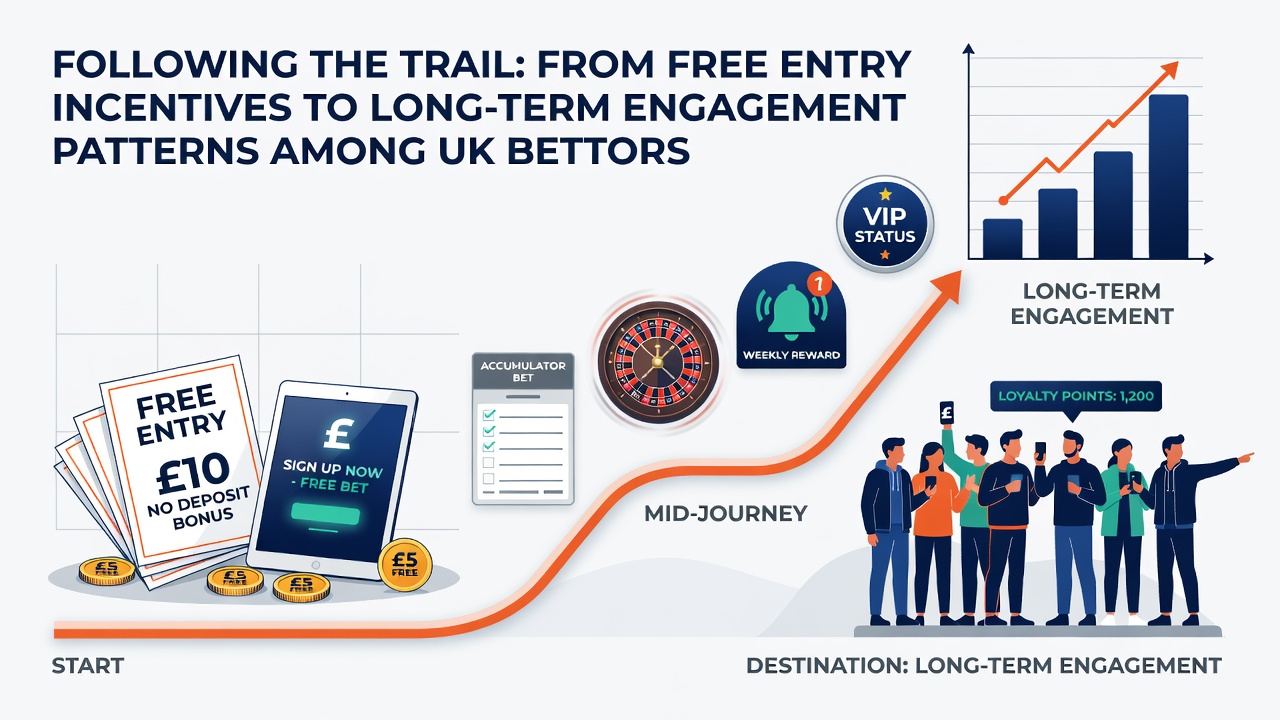
Platform features beyond teh initial incentive play a role in maintaining activity, including mobile app functionality, variety of markets, and speed of payouts. Users who receive tailored communications based on their betting history tend to show higher continuity in deposits, according to aggregated operator statistics. External factors such as changes in sports calendars or economic conditions also intersect with these internal mechanisms, altering the pace at which engagement stabilizes. Observers note that operators monitor churn indicators closely, adjusting incentive tiers to address drops in activity detected after the first three months of account creation.
Case examples drawn from public industry summaries illustrate how certain welcome structures lead to distinct retention curves, with some cohorts maintaining steady wagering volumes while others taper off once promotional periods end. The presence of responsible gambling tools, such as deposit limits and session reminders, appears in the same datasets, though their direct impact on long-term patterns requires further segmented analysis. What's interesting is how regional differences within the UK, including variations in sports preferences, contribute to unique engagement signatures across user groups.
Conclusion
The trail from free entry incentives to sustained betting involvement follows measurable pathways shaped by offer design, user response, and ongoing platform interactions. Continued monitoring of these patterns supplies operators and regulators with information on acquisition efficiency and retention dynamics as of mid-2026. Further examination of cohort data across multiple cycles will clarify how initial incentives integrate with broader market conditions to influence participation over time.