3 Jul 2026
Cashback Systems Explained: Their Function in Retaining Interest Among British Bettors
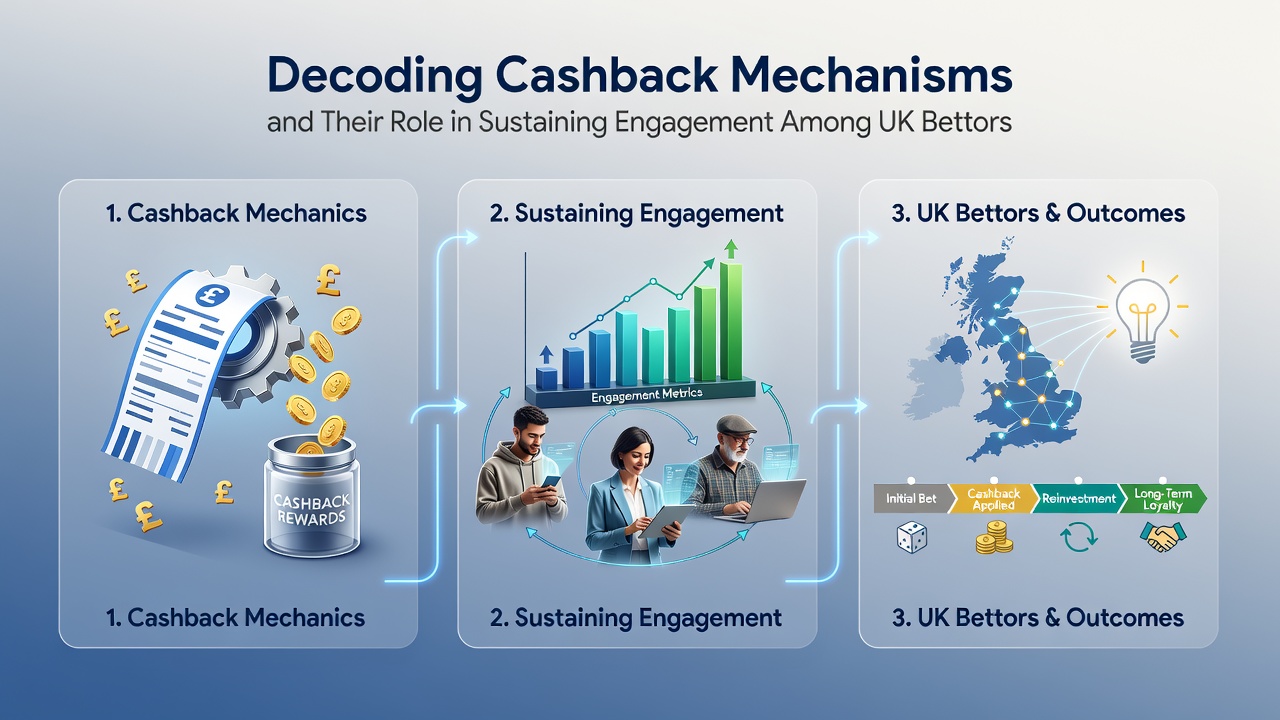
Cashback mechanisms operate as structured refund programs where operators return a percentage of a bettor's net losses over a defined period, typically calculated weekly or monthly, and these systems have become embedded in retention strategies across British betting platforms.
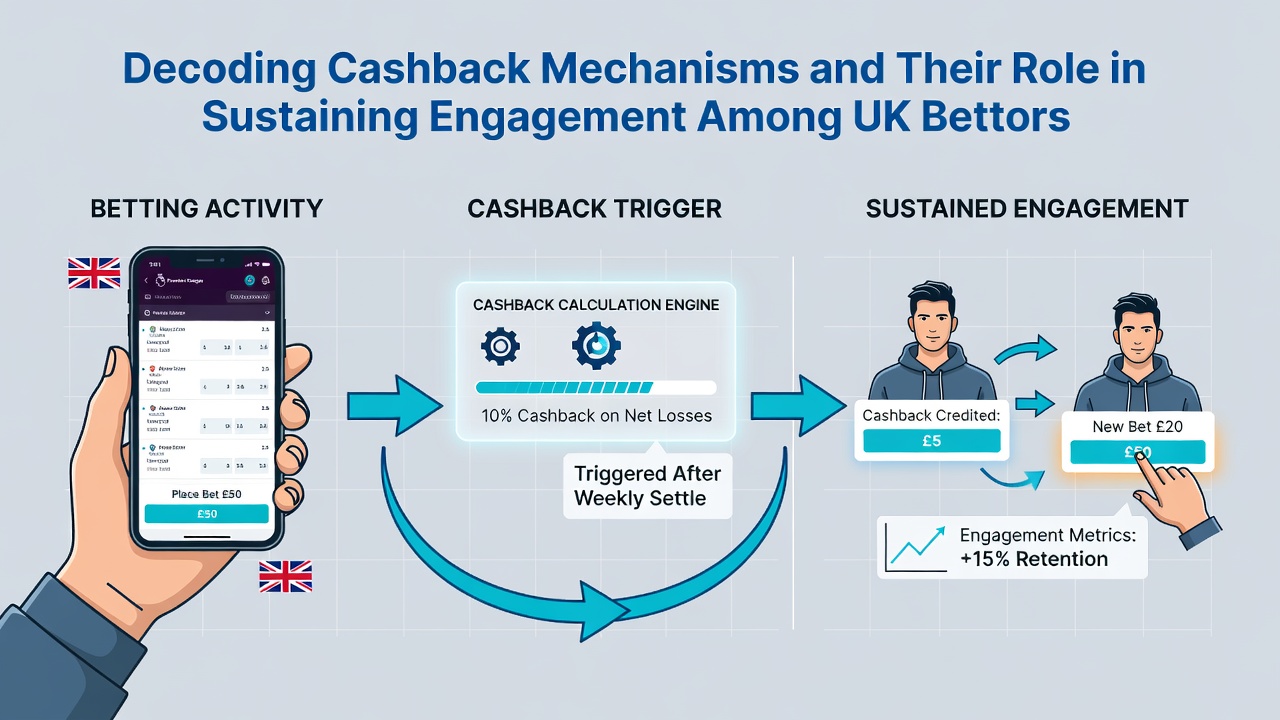
Operators calculate cashback based on qualifying losses after deductions for winnings, with rates ranging from 5% to 20% depending on the account tier and promotional structure, while eligibility often requires minimum activity thresholds such as a set number of bets or total stake volume within the review window.
Mechanics Behind Cashback Calculations
The process begins with tracking net losses, which subtracts all winnings from total stakes placed during the period, and once the net figure is established operators apply teh cashback percentage before crediting the amount either as withdrawable cash or bonus funds subject to wagering requirements.
Many programs tier their rates according to loyalty levels, so higher-volume participants receive elevated percentages, and this structure encourages consistent participation because bettors see direct returns tied to their ongoing activity rather than one-time deposits.
Common Structures in Operation
- Loss-based refunds issued automatically at the end of each cycle without requiring separate claims from the account holder
- Hybrid models that combine cashback with additional perks such as free bets when certain loss thresholds are met
- Time-limited campaigns that boost standard rates during major sporting events to maintain activity levels
Data from industry reports shows these programs correlate with extended account lifetimes, as participants who receive regular credits tend to maintain higher login frequencies and stake volumes compared to those without such incentives.
Impact on Bettor Retention Patterns
Retention data indicates that cashback recipients often demonstrate increased session durations and more frequent returns to the platform, since the visible recovery of losses reduces the psychological impact of downturns and reinforces the perception of ongoing value.
Researchers at the Australian Gambling Research Centre have documented similar patterns in other markets, where loss-recovery features sustain participation rates even during periods of fluctuating results.
Platform analytics further reveal that cashback users generate higher cumulative stakes over six-month windows, with the mechanism functioning as a feedback loop that converts occasional participants into more regular ones through predictable returns on activity.
Integration with Broader Loyalty Frameworks
Cashback rarely operates in isolation but combines with point-based systems and tiered rewards, allowing operators to create layered incentives where cashback credits feed into higher loyalty status that unlocks additional benefits such as personalised offers or faster withdrawal processing.
During July 2026, several operators adjusted cashback parameters ahead of the new football season, raising baseline rates for mid-tier accounts to align with expected increases in fixture volume and maintain engagement momentum through the summer lull.
Observers tracking these adjustments note that the changes coincided with broader platform updates aimed at streamlining reward delivery and reducing friction between loss events and credit issuance.
Regulatory Context Across Jurisdictions
Frameworks in regions such as parts of Canada and the European Union require clear disclosure of cashback terms, including how net losses are calculated and any restrictions on fund usage, which has influenced how British operators present these offers to ensure compliance with consumer protection standards.
Academic studies from institutions including the University of Sydney have examined how such transparency affects user behaviour, finding that clearly communicated terms correlate with more stable participation patterns rather than spikes followed by abrupt drops.
Conclusion
Cashback mechanisms function through precise loss calculations and tiered refunds that directly link operator returns to continued bettor activity, and data from multiple markets shows these programs contribute to longer account retention and steadier engagement levels. Integration with loyalty structures amplifies their effect, while regulatory requirements around disclosure shape their presentation across platforms. Patterns observed through 2026 indicate operators continue refining these systems in response to seasonal activity shifts and broader industry reporting standards.