3 Jun 2026
Cashback Structures Reshaping Retention Patterns Among Established British Wagering Accounts
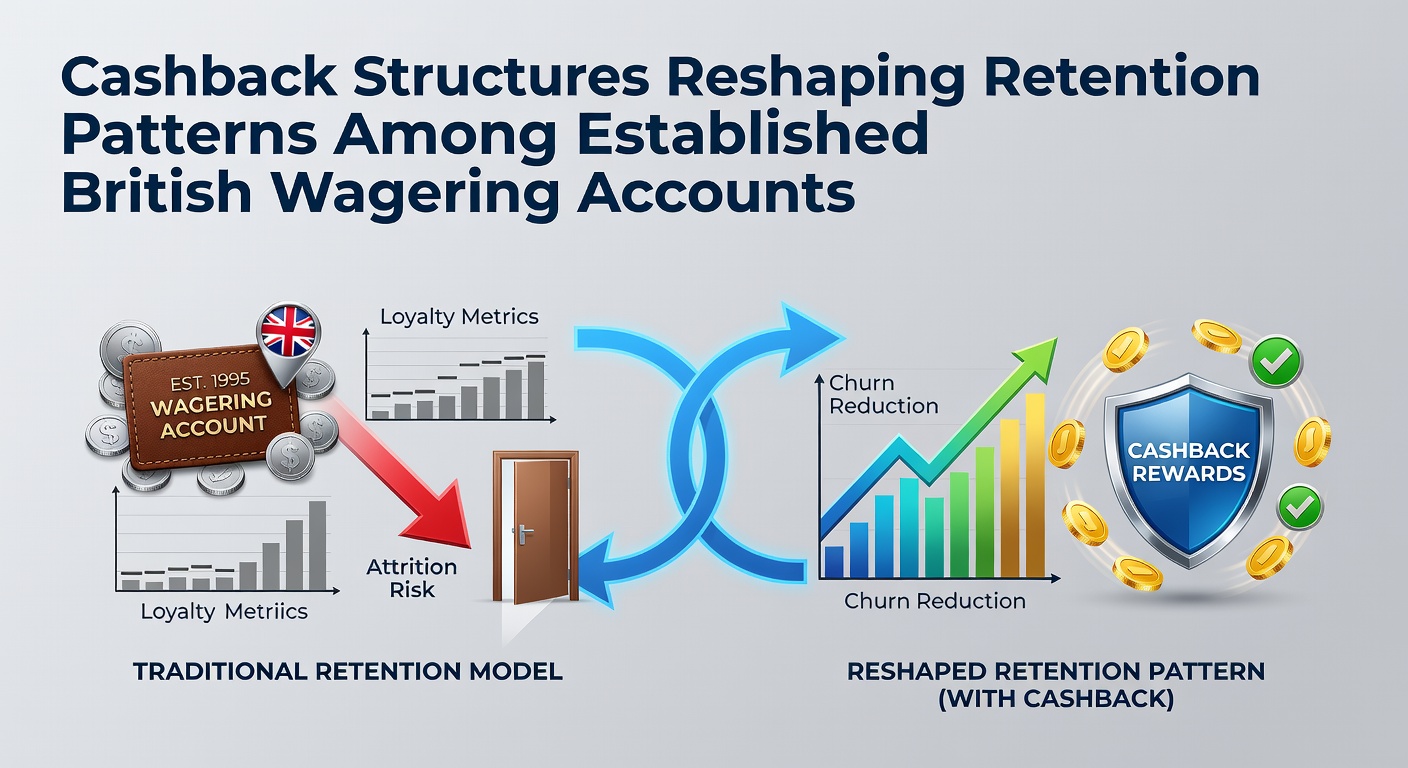
Established British wagering accounts have started showing distinct shifts in activity levels since cashback programs expanded beyond introductory promotions into ongoing loyalty tools, and data from industry monitoring groups reveals consistent upticks in repeat deposits among users enrolled in these structures during the first half of 2026.
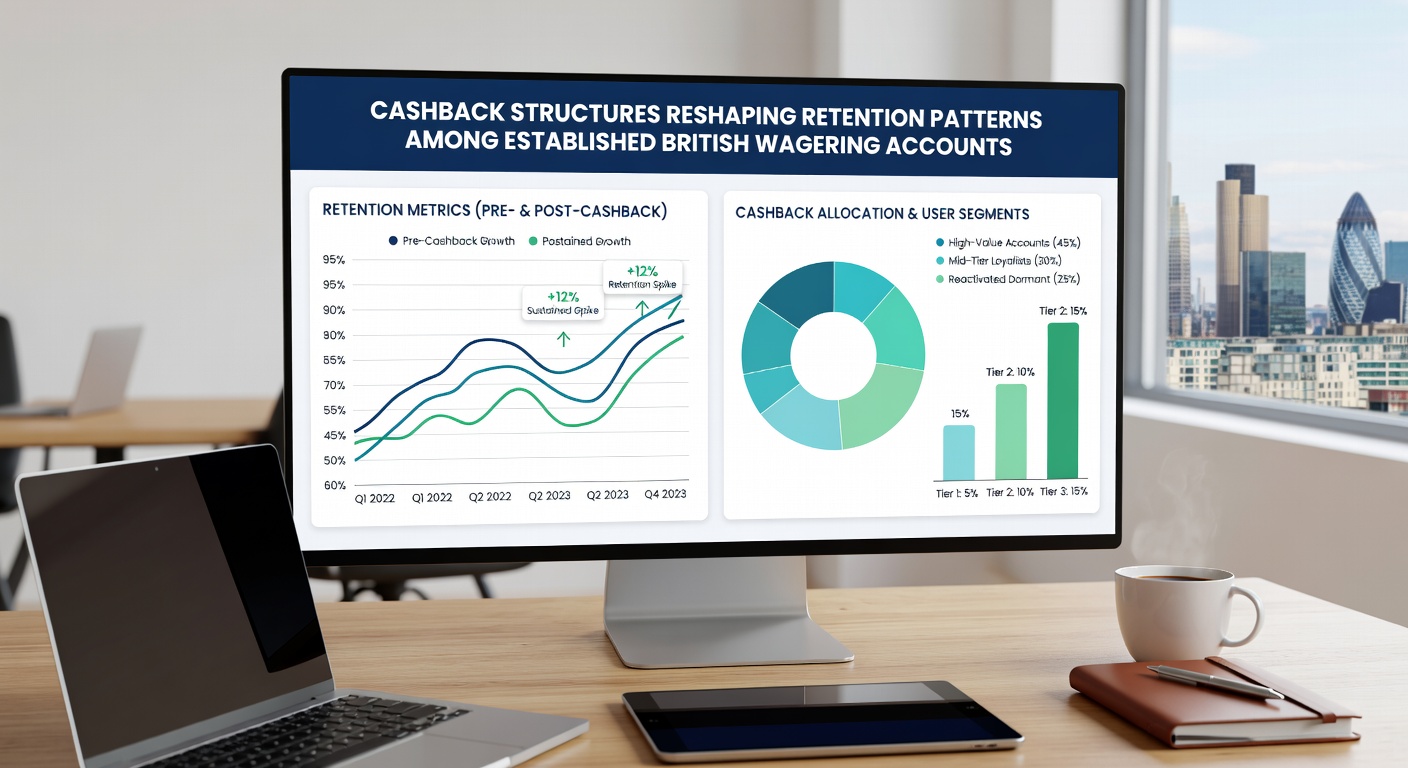
Operators structure cashback as a percentage refund on net losses over defined periods, often weekly or monthly, with tiers based on account tenure and volume that deliver returns ranging from 5 to 15 percent depending on the specific scheme, while eligibility typically requires sustained wagering activity without long inactivity gaps.
Mechanics Behind Cashback Implementation
Bookmakers calculate cashback on settled bets after deducting winnings, then credit the amount directly to the user's account balance or as a bonus that carries separate wagering conditions, and this process encourages account holders to maintain regular betting rhythms rather than sporadic large wagers because smaller consistent losses still generate returns over time.
Those who have tracked platform changes note that many programs now incorporate real-time dashboards showing projected cashback earnings, which allows users to adjust betting patterns mid-cycle and creates a feedback loop where visibility into potential refunds correlates with higher session frequencies across multiple operators.
Retention Data and Observed Patterns
Figures from monitoring services indicate that accounts participating in cashback schemes exhibit 20 to 30 percent longer active periods compared with non-participants, particularly among those holding accounts for over 18 months, while churn rates drop noticeably once cashback thresholds are reached and credited within the same calendar month.
What's interesting here is how the timing of payouts influences behavior, because weekly credits appear to sustain momentum more effectively than monthly ones according to aggregated user logs shared by several major platforms, leading operators to refine distribution schedules ahead of the summer racing calendar in June 2026.
Comparative Approaches Across Markets
Similar retention mechanisms have appeared in other regulated environments, and a report published by the Victorian Responsible Gambling Foundation highlights parallel increases in account longevity when cashback elements combine with loyalty tiers, though the Australian context emphasizes harm-minimization caps that differ from British implementations.
Observers tracking cross-border trends also reference findings from the National Council on Problem Gambling in the United States, where cashback-style rebates on select sportsbooks produced measurable extensions in average account lifespan without corresponding spikes in overall spend among established users.
Integration With Broader Loyalty Frameworks
Cashback rarely operates in isolation and instead layers onto existing reward points, tiered status levels, and personalized odds boosts that collectively create compounded incentives for long-term account holders, while data indicates these combined structures reduce migration to competing platforms because users accumulate benefits that reset upon switching.
Operators have adjusted eligibility rules in 2026 to exclude new sign-ups from immediate cashback access, focusing instead on accounts that have already demonstrated multi-month activity, and this targeting aligns with patterns showing stronger retention lifts when programs reward continuity rather than acquisition alone.
Future Adjustments Anticipated in Mid-2026
Platform updates scheduled around the June 2026 festival period are expected to introduce dynamic cashback rates that fluctuate based on overall market conditions and individual account performance, allowing operators to fine-tune refunds without altering core percentages across the board.
Those monitoring regulatory filings note that any modifications must still comply with existing consumer protection standards, which require clear communication of terms and caps on maximum weekly or monthly returns to prevent unlimited exposure on either side.
Conclusion
Cashback structures continue to influence how established British wagering accounts maintain activity, with available figures showing extended retention windows and more predictable engagement cycles when these programs form part of ongoing loyalty offerings. Operators refine mechanics based on observed user responses, while external research from varied jurisdictions provides context on similar approaches elsewhere. The patterns documented through mid-2026 suggest cashback will remain a central component in strategies aimed at sustaining long-term account relationships.