14 Jun 2026
Britain's Loyalty Structures: Tiered Programs Shaping Sustained Betting Patterns at Leading Operators
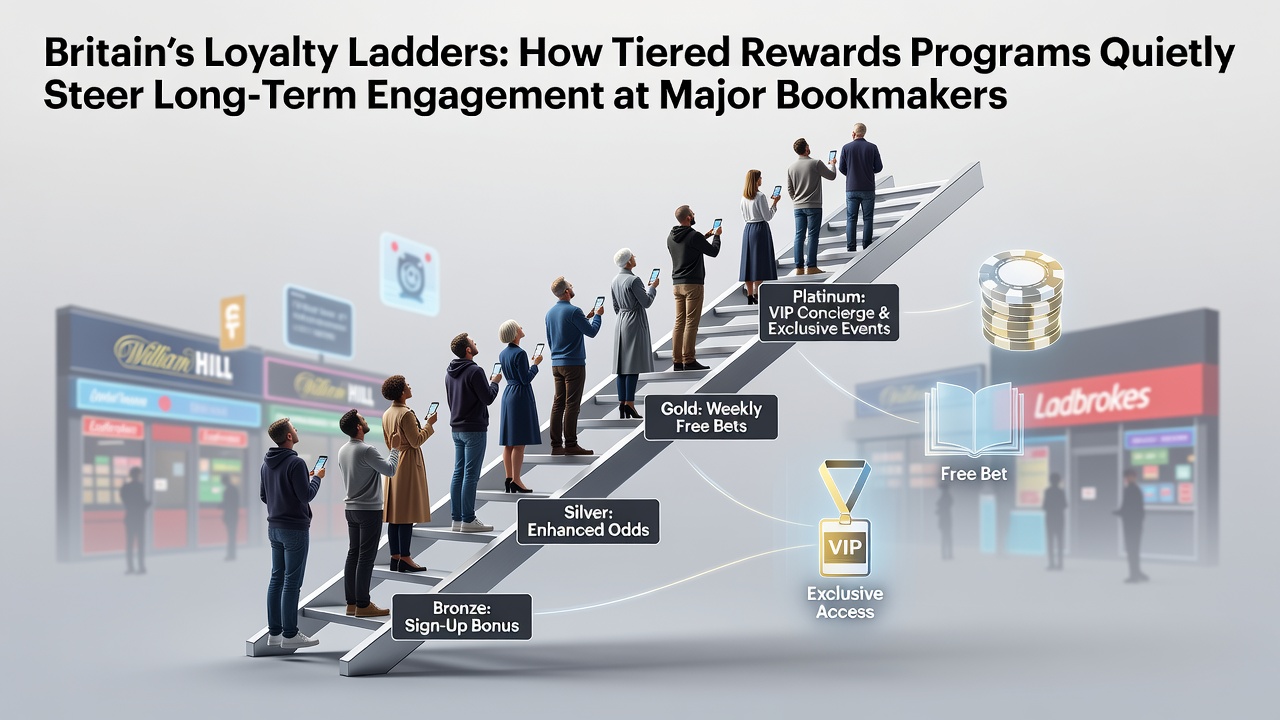
British bookmakers have developed intricate tiered reward systems that reward customers based on activity levels, and these structures quietly influence how people maintain consistent participation over extended periods. Operators calculate points from wagers placed across sports, casino games, and other products, then assign users to progressive tiers that unlock additional benefits such as enhanced cashback rates, priority access to events, and personalised promotions. Data from industry reports indicate these programs operate continuously throughout the year, including during peak periods like the June 2026 tennis season when major tournaments draw increased attention from regular participants.
Mechanics Behind Tier Progression
Points accumulation forms the foundation of these ladders, with different bet types contributing varying amounts toward tier advancement, and higher tiers require sustained volume rather than one-time spikes. Operators track metrics such as total stakes, frequency of deposits, and product diversity to determine eligibility, while algorithms adjust offers to match individual patterns observed over months. Those who reach upper levels receive invitations to exclusive clubs featuring dedicated account managers and accelerated withdrawal processing, elements that encourage continued activity to retain status.
Studies from the Australian Institute of Family Studies highlight similar loyalty frameworks in comparable markets, showing how graduated rewards correlate with longer customer retention spans across regulated environments. British programs mirror these approaches by offering tier-specific bonuses that scale with commitment, such as increased free bet allocations or reduced margins on select markets for top participants.
Engagement Patterns Across Seasons
Long-term data reveals peaks in tier movement during major sporting calendars, whereas quieter periods see operators deploy targeted incentives to prevent stagnation in lower tiers. Participants often notice that maintaining mid-level status demands consistent engagement, while top tiers reward volume with perks that offset costs through higher returns on play. Research published by the University of Nevada's gaming studies division demonstrates that such systems can extend average user lifecycles by encouraging incremental increases in activity to unlock successive benefits.
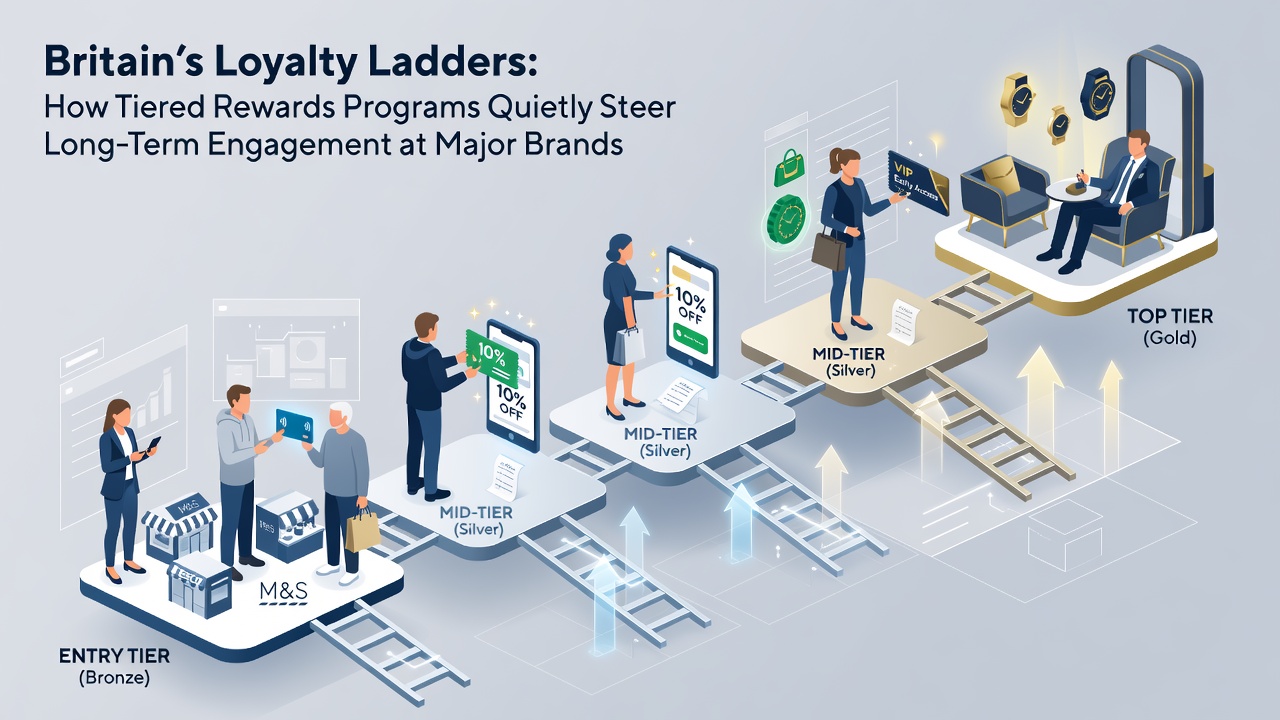
June 2026 brings additional focus to these dynamics as cricket and football fixtures overlap with tennis events, prompting operators to align tier rewards with live markets and in-play options. Observers note that customers who have already progressed through initial tiers tend to increase session frequency when promotions tie directly to upcoming fixtures, creating feedback loops where rewards reinforce ongoing involvement.
Comparative Approaches Among Operators
Different bookmakers implement variations in their ladders, with some emphasising cashback across all tiers while others prioritise experiential rewards like hospitality packages at major venues. Smaller operators sometimes mirror larger competitors by introducing simplified versions that still segment users based on spend thresholds, and this segmentation allows precise allocation of marketing resources. Figures from the European Gaming and Betting Association indicate that tiered systems contribute to higher lifetime values for participants who advance beyond entry levels, though progression rates vary depending on individual betting preferences and market conditions.
Take one analysis of loyalty data where researchers found participants in upper tiers generated disproportionate revenue shares while receiving proportionally scaled benefits, a balance that sustains the programs without disrupting overall operations. Those who've examined retention statistics across multiple sites discover that clear progression paths reduce churn compared to flat reward models, since visible milestones provide tangible goals for sustained engagement.
Integration With Broader Marketing Strategies
Loyalty ladders connect directly with welcome offers and reload promotions, creating pathways from initial deposits toward long-term tier benefits that keep users within the ecosystem. Operators segment communications so that tier members receive tailored content highlighting achievable next steps, and this personalisation strengthens the quiet steering effect on daily or weekly habits. External regulatory frameworks in places like Canada and parts of the EU require transparency in how points convert to rewards, influencing how British programs disclose their structures to maintain compliance across borders.
What's notable is the way these systems adapt to technological shifts, incorporating app-based tracking that lets users monitor progress in real time and receive instant notifications when thresholds near completion. Such features turn abstract loyalty metrics into immediate feedback loops that reinforce continued participation across seasons.
Conclusion
Tiered rewards programs at major British bookmakers function through structured progression mechanics that align operator incentives with sustained customer activity, and available data shows measurable effects on engagement duration. As sporting calendars advance into periods like June 2026, these ladders continue to shape participation patterns by offering scaled benefits that reward consistency. Observers tracking industry trends note ongoing refinements in how operators balance reward generosity with business sustainability, ensuring the systems remain central to long-term strategies across the sector.