22 Jul 2026
Britain's Bookies and the Rise of Tiered Loyalty Rewards: A Closer Look at Retention Tactics Beyond Initial Sign-Ups
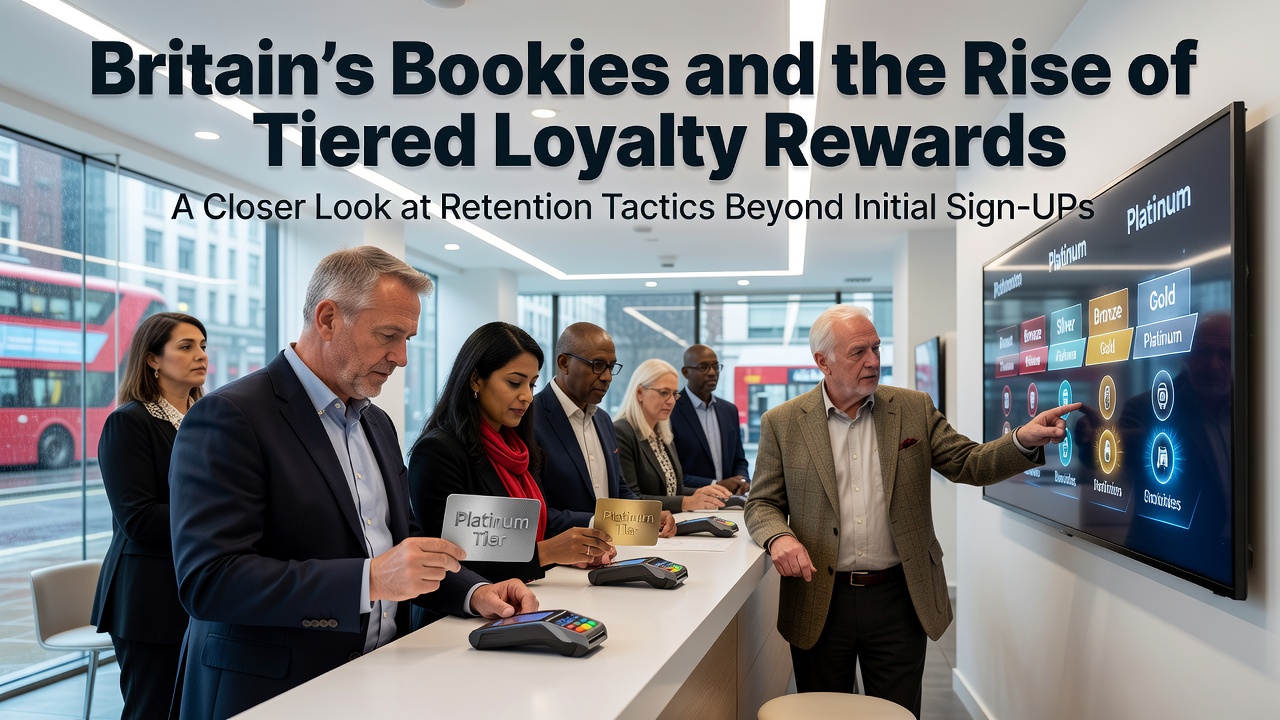
Britain's bookmakers have shifted focus toward tiered loyalty programs that extend well past welcome offers, and these systems now form a core part of retention strategies across both high-street and remote operators. Data collected through mid-2026 shows steady growth in the number of active loyalty tiers, with many platforms structuring rewards around accumulated points, betting frequency, and deposit patterns rather than one-time sign-up incentives.
How Tier Structures Operate in Practice
Operators divide customers into levels such as bronze, silver, gold, and platinum, where each stage unlocks distinct benefits including enhanced cashback percentages, priority access to price boosts, and personalized free bet allocations. Points accrue through regular wagers, and reaching higher tiers often requires consistent activity over several months rather than isolated large stakes. This approach encourages sustained engagement because rewards scale with continued play, and many programs reset or adjust qualification criteria annually to maintain momentum.
Industry figures from July 2026 indicate that participants in multi-tier schemes place more bets on average than those limited to initial promotions, and operators track these patterns through internal analytics that adjust reward thresholds in real time. The mechanics rely on transparent point-earning rates displayed in account dashboards, which allow users to monitor progress toward the next level without ambiguity.
Retention Mechanics Beyond Welcome Bonuses
Retention tactics center on recurring incentives that activate after the first deposit cycle ends, and these include weekly loyalty cashback scaled to tier status plus birthday bonuses tied to account longevity. Some programs grant exclusive event tickets or merchandise at premium levels, while others offer faster withdrawal processing as a direct perk of sustained membership. These elements work together because they reward ongoing behavior instead of front-loading value at registration.
Research from the Responsible Gambling Council in Canada highlights similar tiered models in other markets, where data shows participants maintain accounts longer when visible progress bars and milestone rewards are present. Australian studies conducted by Gambling Help Online report comparable patterns, noting that structured loyalty layers correlate with higher retention rates across digital platforms. British bookies have adapted these frameworks to local preferences by incorporating sports-specific multipliers, such as extra points during major football or horse racing seasons.
Implementation Across Different Betting Formats
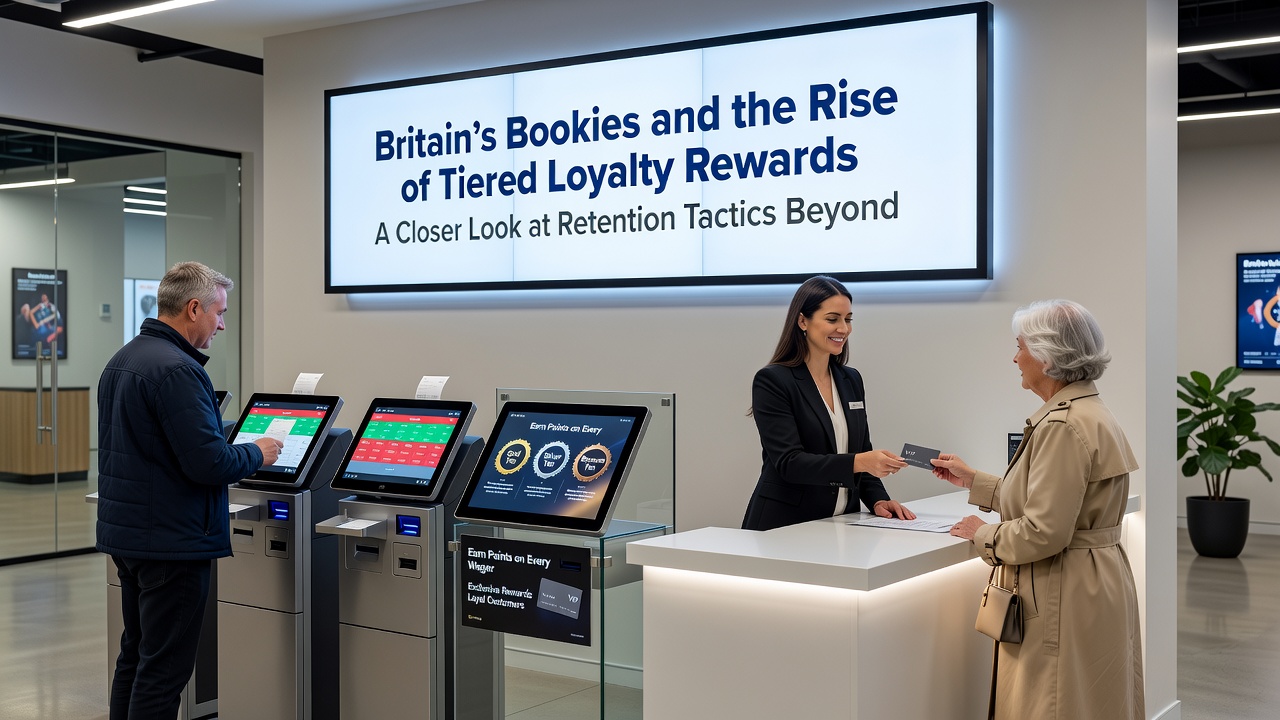
High-street betting shops integrate loyalty cards that scan at terminals to collect points redeemable for shop credit or digital rewards, whereas online platforms embed the same systems within mobile apps and websites. Hybrid operators link the two channels so that activity in either environment feeds the same tier progression, creating a unified customer journey. July 2026 records show increased adoption of such linked systems, particularly among chains operating both physical locations and remote services.
Points calculation often factors in bet type, with accumulator wagers or in-play markets earning higher rates to steer volume toward certain products. Operators publish clear tables outlining these rates, and users receive periodic summaries that detail current tier benefits alongside projected rewards at the next level. This transparency helps maintain engagement because participants understand exactly what additional activity yields.
Conclusion
Tiered loyalty programs in Britain's betting sector have evolved into sophisticated retention tools that emphasize continuous participation over initial acquisition. By July 2026 these structures appear across major operators, supported by data tracking that refines rewards according to observed behavior. The combination of visible progression, scaled cashback, and format-specific incentives sustains activity beyond the welcome period, and reports from international bodies confirm parallel developments in comparable markets. Operators continue to refine these systems through ongoing analysis of engagement metrics, ensuring the frameworks remain responsive to participant patterns.